To foreigners, “glass skin” may sound like a poetic exaggeration — but to Koreans like me, it’s something we quietly pursue every day. The goal isn’t perfect skin. It’s that clear, hydrated look that catches light naturally, like glass under soft morning sunlight. It’s not about shimmer or foundation tricks; it’s about skin that feels healthy and alive.
The Korean word “chok-chok” (촉촉) captures that feeling perfectly. It describes the moist, supple touch of well-hydrated skin — and to us, it simply means “fresh.” If “glass skin” is what you see, “chok-chok” is what you feel.
💧 Layering as a Way of Life
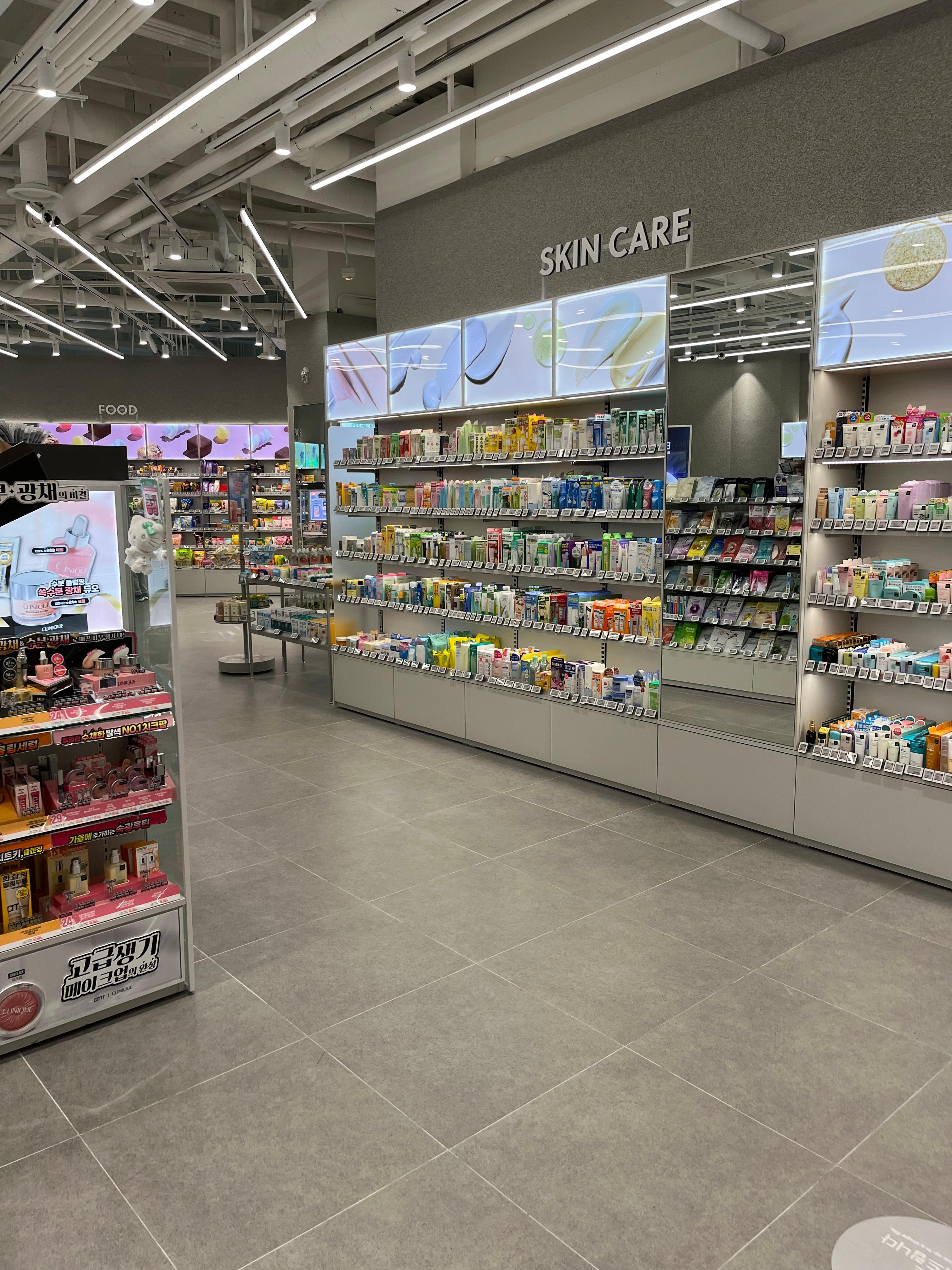
One of the biggest misconceptions about Korean skincare is the so-called “10-step routine.” It sounds impressive, but most of us don’t actually do ten steps. I certainly don’t. In the morning, I just use toner, lotion, and a light moisturizer — quick and simple before heading out. At night, I add a nourishing ampoule, and maybe once every three or four days, a sheet mask if I have the time.
The idea isn’t about numbers. It’s about layering moisture slowly and intentionally. Each layer — toner, essence, serum, or cream — adds a thin film of hydration that protects the skin barrier. It’s how we keep our skin calm against dry air and changing seasons.
There’s something almost meditative about those few minutes at the sink — patting, waiting, layering. It reflects a larger Korean habit: small things, done steadily, create visible results over time.
🌦️ A Climate-Driven Habit
Korea’s weather explains a lot of this obsession. Winters are cold and painfully dry, while summers are humid and sticky. You can feel your skin changing every few months. So our skincare naturally shifts too — thicker creams and humidifiers in winter, lighter gel textures in summer.
Even men, who used to treat skincare as optional, now have their own routines. My brother, for instance, keeps a small toner and lotion set on his work desk. Reapplying during the day is perfectly normal — it’s just another way of staying comfortable and presentable.
Over time, this climate-driven need shaped an entire beauty philosophy: hydrate, don’t suffocate. That’s why Korean products are light, fast-absorbing, and gentle. They fit the rhythm of our weather and our lives.
“Glass skin” wasn’t invented by brands. In the early 2010s, Korean beauty editors started using it to describe actors whose faces seemed to glow naturally on TV dramas — dewy yet makeup-free. The phrase caught on quickly, first in magazines, then on YouTube, and finally around the world.
🧴 Simple Routine, Visible Glow
Most Koreans believe less can be more — as long as it’s consistent. Harsh scrubs or peelings are rare; gentle cleansing is the rule. When I travel abroad, I often notice how cleansers in other countries foam so strongly they leave my skin squeaky and tight. In Korea, that would be considered over-cleansing.
Instead, we focus on maintaining the skin barrier. Better to use mild products daily than a strong one once a week. Even makeup follows this logic: we prefer lightweight cushion foundations with skincare ingredients inside. The goal isn’t to hide flaws, but to enhance what’s already there — skin that still looks like skin.
Skincare is also surprisingly social. Friends share samples, couples put on sheet masks together, and my mom still recommends her favorite moisturizers to me. These small exchanges say a lot about Korean culture — care isn’t something private; it’s something shared.
chok-chok (촉촉) — “moist, bouncy, hydrated.”
We use it not just for skin, but for anything that feels soft and full of life — from freshly baked bread to dewy flowers after rain. It’s a word that naturally feels pleasant to say, just like the sensation it describes.
💎 The Psychology of Glow
In Korea, glowing skin often means more than physical health — it hints that someone is balanced, rested, and doing okay. You can sometimes tell when a person is burned out just by looking at their skin tone. That’s why, even on the busiest weeks, we take a few minutes before bed to apply toner or cream. It’s a form of quiet self-check-in.
I’ve often felt that skincare is like journaling — repetitive but comforting. Those small moments at the end of the day remind me that taking care of myself doesn’t have to be grand. A little glow is proof that I’m still paying attention.
🌿 Beyond Beauty
The pursuit of chok-chok skin isn’t about vanity; it’s about the mindset behind it — consistency over perfection. It reflects something deeply Korean: a quiet confidence that comes from doing small things well, every single day. That attitude shows up everywhere here, from the way we study to the way we brew tea.
Maybe that’s why the idea of “glass skin” feels so familiar to me. It’s not just a beauty goal — it’s how many of us live. We take time, we adjust, and we keep going until things feel right. Whether it’s making kimchi, studying for an exam, or layering toner at night, that patience runs through Korean life. The chok-chok glow people notice from afar is really just our way of saying, “I take care of myself — and that’s enough.”
'🌿 Discover Korean Culture > 🏠 Korean Daily Life & Lifestyle' 카테고리의 다른 글
| 👀 Reading the Room, Korean Style: Understanding “Nunchi” (0) | 2025.10.27 |
|---|---|
| ⚾ Why Korean Baseball Games Feel Like Concerts (0) | 2025.10.25 |
| 📶 Korea’s Wi-Fi: Fast, Free, and Everywhere (0) | 2025.10.19 |
| 🚀 How K-Beauty Took Over the World (0) | 2025.10.19 |
| 💄 Why Are Koreans So Serious About Skincare? (0) | 2025.10.17 |


