I didn’t expect to cry.
But there I was — hand over my mouth, trying not to make a sound — watching a scene where the actors themselves were holding back tears. They didn’t scream or collapse. They simply stood still, trembling with emotion they refused to show. And somehow, that broke me.
Later, I found someone from Argentina writing almost the same thing online:
“I cried so much I had to pause it. I don’t even speak Korean.”
That’s when it hit me — this wasn’t just a Korean story anymore.
🌅 The Beauty of Holding Back
Most of us are used to dramas that show emotion — shouting, running, kissing, breaking down.
But in When Life Gives You Tangerines (폭싹 속았수다), emotion stays quiet.
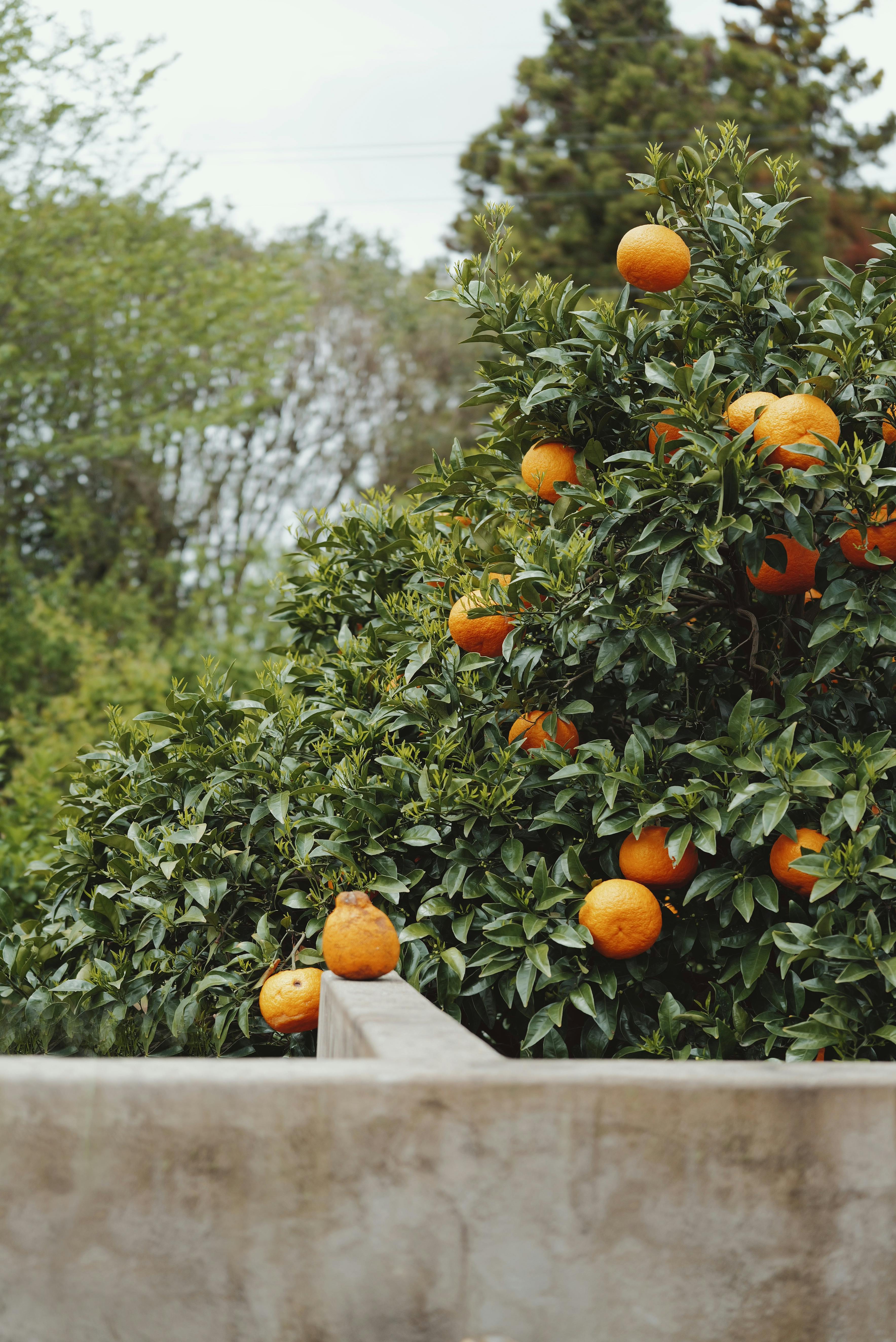
The characters don’t say “I love you.” They offer a tangerine.
They don’t say “I’m sorry.” They look away — and somehow, we know exactly what they mean.
There’s something universal about that kind of restraint. The pain we hide isn’t smaller; it’s just too deep to name. And that silence — that small human hesitation — connected people across languages.
That’s why, somewhere between Seoul and São Paulo, viewers cried at the same moment, for reasons they couldn’t quite explain.
🌍 A Korean Story That Traveled the World
To be honest, I thought this drama would be “too Korean” for the world.
It’s set in Jeju Island, told in thick dialect, soaked in memories of a rural past. There’s no fast plot, no fancy twist — just quiet lives, aging faces, and the slow burn of time.
And yet, When Life Gives You Tangerines didn’t just stay in Korea. It spread — far wider than anyone expected. It reached Netflix’s No. 1 spot in the global non-English TV chart, entered the Top 10 in over forty countries, and earned the highest IMDb rating ever given to a Korean drama — even surpassing Squid Game and The Glory.
Major international media like the South China Morning Post and Forbes praised it as “one of the best Korean dramas ever made” and “a story that transcends language and geography.”
Reading those headlines, I felt a strange mix of pride and disbelief.
How could something so rooted in Korean soil — the dialect, the customs, the rhythm of Jeju life — touch people who have never seen a tangerine farm or heard the word jeong before?
Maybe that’s exactly why it worked. Because even in its most local moments, it spoke about things every human understands — love, regret, aging, and the way time gently steals what we once had.
💬 The Universal Language of Silence
What moved people around the world wasn’t just the story — it was the space between the words.
Korean dramas have this quiet confidence: they let silence do the talking.
A glance lasts two seconds too long.
A pause stretches until you feel your own chest tighten.
“It’s not what they say — it’s what they can’t say.”
I smiled when I read comments like that in English, because that’s exactly how we Koreans feel too.
We don’t always say our emotions out loud. Sometimes, we just… stay.
And in that staying, there’s love, apology, and something deeper — 정 (jeong), that unspoken warmth that keeps people connected even after time drifts them apart.
✨ Why the World Cried Together
This drama didn’t need to be loud to be powerful.
It whispered truths that everyone already knew but rarely said — that love is fragile, time is cruel, and yet, kindness somehow survives the years.
People around the world cried for different reasons, but our tears felt strangely shared.
Maybe because we’ve all loved someone and lost them not to tragedy, but simply to time.
And that’s what When Life Gives You Tangerines truly awakened — that soft, unguarded place inside us where love and memory quietly meet.
'🌿 Discover Korean Culture > 🎶 K-pop & Modern Korean Culture' 카테고리의 다른 글
| 🎥 Eating as a Show: The Fascinating World of Korean Mukbang (0) | 2025.10.26 |
|---|---|
| 🌱 How K-Beauty Is Turning Into K-Wellness (0) | 2025.10.24 |
| 💄 Why Do Travelers Go Crazy for K-Beauty Stores in Seoul? (0) | 2025.10.22 |
| Beyond the Beat: Why K-Pop Hits You in the Heart (0) | 2025.10.15 |
| When the Crowd Sings Louder Than the Artist: Inside Korea’s Legendary “Ttechang” Culture (0) | 2025.10.08 |


