🌶️ When Spicy Isn’t the Same Everywhere
I always thought I could handle any kind of spicy food. I mean, I’m Korean — I grew up eating kimchi stew that makes your nose run and tteokbokki that can clear your sinuses. But the first time I had Thai som tam in Bangkok, I realized I might’ve been overconfident. The chili didn’t creep up slowly like Korean spice. It hit me fast — a quick, sharp sting right on the lips that made me grab my drink before I even finished chewing. A few years later in Mexico, I took one bite of salsa at a local taco stand and learned something new again. The flavor wasn’t piercing at all — it was warm, earthy, and smoky, like it had been slowly roasted under the sun.
That’s when I started paying attention. Maybe “spicy” doesn’t mean the same thing everywhere. Each country’s heat has its own rhythm — and it starts with the chilies themselves.
🍽️ Different Chilies, Different Heat
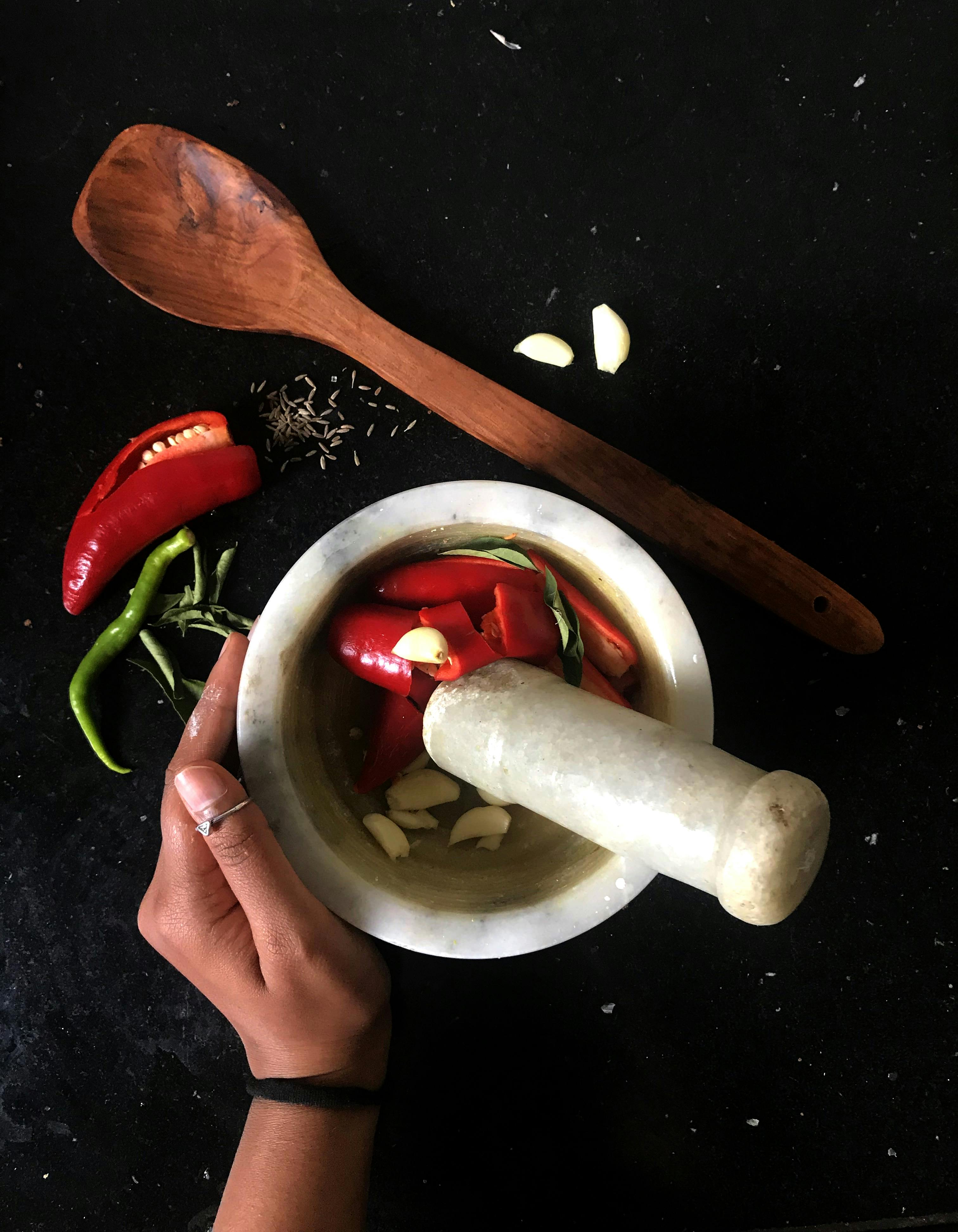
In Korea, we use gochugaru — those bright red flakes that add warmth more than pain. It colors our food beautifully and gives it that slow, cozy burn that builds over time. Thailand’s bird’s eye chilies couldn’t be more different. They’re tiny, almost cute, until they hit your tongue like fireworks. Meanwhile, Mexican cooking loves dried chilies such as guajillo or ancho. They make sauces deep, soft, and smoky — more like a whisper than a punch. And in India, Kashmiri chili gives dishes their brilliant red glow and a gentle aroma, enough to wake your senses but not to hurt them.
Not all red chilies are fiery. Kashmiri and Korean gochugaru are loved for their color and fragrance — the kind of spice that paints food beautifully without overwhelming the tongue.
🍳 Cooking Styles Change the Burn
It’s not just about the chili — it’s about how people use it. In Korea, we stir chili paste and flakes into soups and stews so the flavor blends slowly, becoming deep and rounded. Thai dishes are the opposite — chilies are crushed fresh and mixed with lime and fish sauce, giving a bright, instant spark. Mexican food often starts by roasting or toasting the chilies, building a gentle smokiness that feels warm rather than hot. And in India, the first sound you hear in the kitchen is the tadka — spices and chilies sizzling in hot oil, releasing aroma before the heat even reaches your mouth.
❓ Did You Know?
The Scoville Scale measures how spicy a chili pepper feels — from mild bell peppers (0 SHU) to fiery Carolina Reapers (over 2 million SHU).
Korea’s gochugaru usually scores around 1,500–10,000 SHU, giving dishes a warm, lingering heat rather than a sharp burn.
🏠 What the Burn Means to People
Here’s what I’ve come to realize.
Every country with spice has its own pride. For Mexicans, Thais, and Indians, the way their chili burns or lingers isn’t just about flavor — it’s part of who they are. That familiar heat carries stories of home kitchens, family tables, and generations who learned to measure love in spoonfuls of spice.
For those living abroad, that same heat becomes a quiet bridge back home — a reminder of their mother’s hands, their hometown air, and the meals that once waited after school. Koreans are no different. Whether it’s tucked in a suitcase or bought at a Korean mart overseas, a jar of gochujang often travels with them. Because to many of us, that deep red paste isn’t just seasoning. It’s home itself.
'🌿 Discover Korean Culture > 🍲 Korean Food & Dining Culture' 카테고리의 다른 글
| 🍜The Global Rise of Korean Bunsik: How Tteokbokki and Corn Dogs Took Over (0) | 2025.10.22 |
|---|---|
| 🥬 Inside Kimjang: How Koreans Turn Kimchi-Making into a Winter Feast (0) | 2025.10.22 |
| 🌿 Gim: The Crispy Secret Behind Every Korean Meal (0) | 2025.10.20 |
| 🌶️ Why Everyone Ends Up Loving Tteokbokki (0) | 2025.10.18 |
| 🌶️ Korea’s Spicy Secret — The Bold World of Gochujang (0) | 2025.10.17 |


