Every late autumn in Korea, something remarkable happens — apartment alleys and village frontyards suddenly fill with the smell of garlic, chili, and salted cabbage. This isn’t just cooking; it’s kimjang (김장) season, the heart of Korean kimchi-making tradition that prepares families for the long, cold winter. As one of the most beloved Korean food culture rituals, kimjang brings people together to make, share, and preserve kimchi, turning winter preparation into a celebration of warmth and community.
🍂 When the Weather Turns, So Does the Cabbage
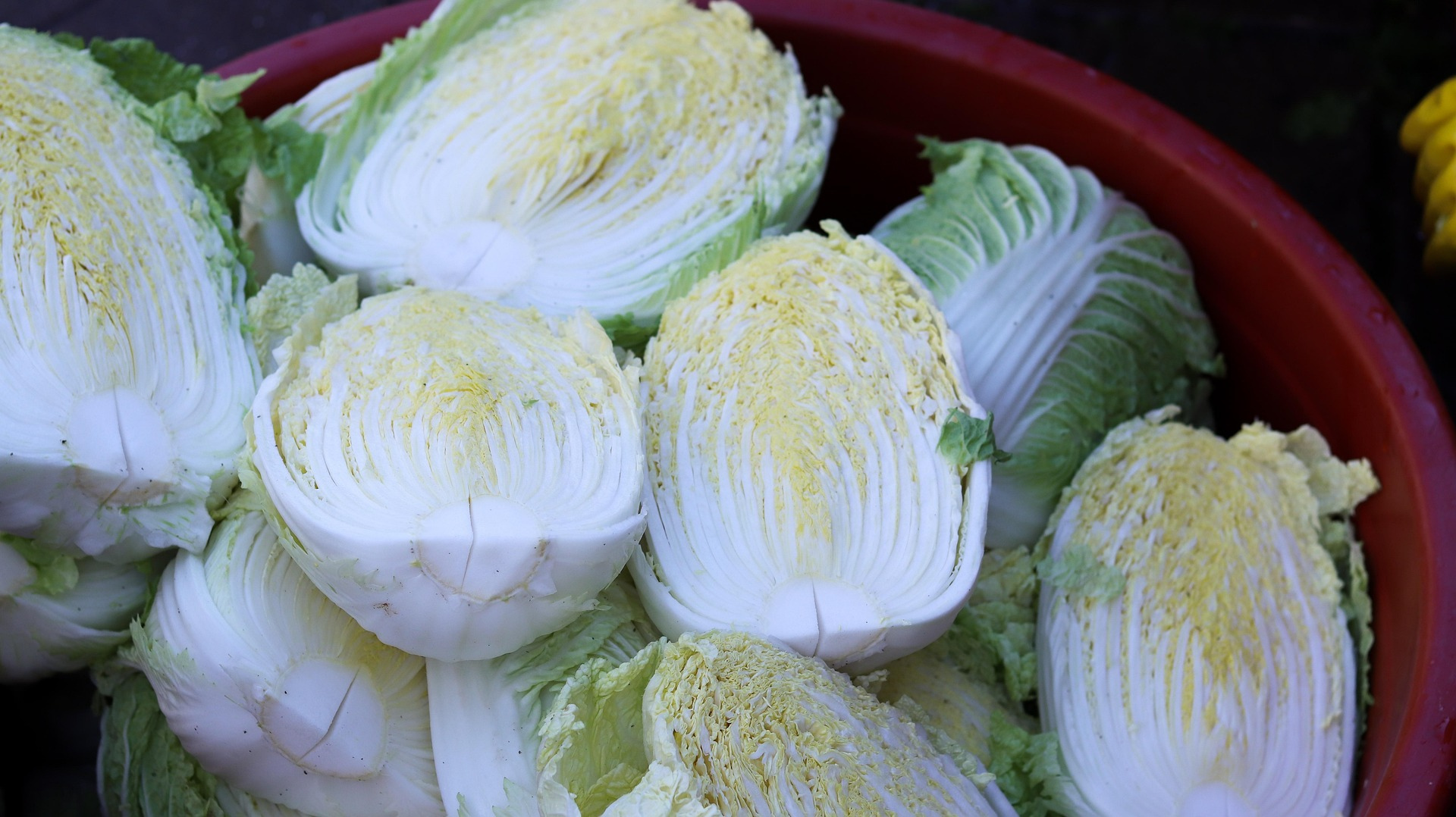
Kimjang usually begins when the air turns cold enough to keep ingredients fresh — around late November. For Koreans, that chill isn’t just a sign of winter coming; it’s the cue to start salting cabbage, mixing chili paste, and gathering family or neighbors. It’s less about cooking and more about preparing together. Even in modern apartment complexes, you’ll see people in aprons bent over large plastic tubs, their hands bright red from gochugaru.
I also go to my mom’s house every November — early or mid-month — when my siblings and their families all gather to make kimchi together. After the hard work, we always boil some pork and wrap it in freshly made kimchi. That’s the tradition — simple, hearty, and irreplaceable.
📜 A Short History of Kimjang
The word kimjang comes from the verb “janghada”, meaning “to preserve” or “to store.” Before refrigerators existed, people needed a way to keep vegetables edible through Korea’s long, cold winters. So, families prepared huge amounts of kimchi in late autumn, storing them in onggi — traditional clay jars buried partly underground to maintain the perfect temperature. It was both necessity and culture — a way to survive winter and strengthen community ties. Over time, every region developed its own flavor, spice level, and even preferred vegetables. What began as survival has become a yearly celebration of connection and generosity.
In 2013, UNESCO recognized Kimjang as an Intangible Cultural Heritage of Humanity — not for its flavor, but for the spirit of sharing and community it represents.
👩🍳 A Family Project (with a Side of Jeong)
Traditionally, making kimchi wasn’t a one-person job. Neighbors would gather to help each household — one day at your place, the next at mine — trading stories, jokes, and recipes while working. That sense of togetherness is called jeong (정) — a deep warmth that connects people beyond words. Even today, many families still send a few jars of their kimchi to relatives, or trade homemade versions with friends.
And yes, there’s always that one aunt who claims, “Mine is less salty this year,” but somehow, it still ends up tasting exactly the same — and just as good.
🌶️ What Goes Into Kimjang Kimchi
The classic baechu kimchi (napa cabbage kimchi) starts with salted cabbage, then gets stuffed with a mix of gochugaru (red pepper flakes), saeu-jeot (fermented shrimp), garlic, ginger, scallions, and radish strips. But there are countless local variations: in Jeolla province, people add oysters; in the North, less chili and more brine; in Seoul, lighter seasoning for everyday meals. Every spoonful carries a regional accent.
Visit the Kimchi Museum in Seoul (COEX) or join a kimchi-making experience in Myeongdong or Insadong. You’ll get to make your own batch and take it home — gloves, apron, and all.
🥢 Beyond Food: Kimjang as a Season
For Koreans, kimjang isn’t just about kimchi. It’s a seasonal rhythm — a sign that autumn is ending, that families are preparing for cold days, that something spicy and comforting will always be on the table. These days, kimjang looks a little different — many people buy ready-made kimchi or order smaller portions online, but the idea behind it hasn’t changed. It’s still about care, sharing, and the quiet warmth that fills Korean homes every winter. Even if fewer hands are mixing chili paste outdoors, the spirit of kimjang — preparing and giving with love — still connects people across generations.
🌙 Before You Visit
If you come to Korea in late November, you might spot people outside grocery stores loading up on napa cabbages, or see local news reports about kimjang volunteers making kimchi for low-income families. It’s that mix of practicality and generosity that makes Korean culture so deeply human — and yes, a little spicy too.
'🌿 Discover Korean Culture > 🍲 Korean Food & Dining Culture' 카테고리의 다른 글
| 🍌 How Korean Banana Milk Became a Global Mood (0) | 2025.10.23 |
|---|---|
| 🍜The Global Rise of Korean Bunsik: How Tteokbokki and Corn Dogs Took Over (0) | 2025.10.22 |
| 🔥 How “Hot” Changes by Culture — Korean Heat vs Global Spice (0) | 2025.10.20 |
| 🌿 Gim: The Crispy Secret Behind Every Korean Meal (0) | 2025.10.20 |
| 🌶️ Why Everyone Ends Up Loving Tteokbokki (0) | 2025.10.18 |


